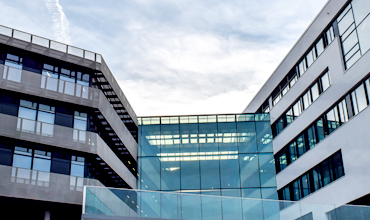
WHAT WE BUILD
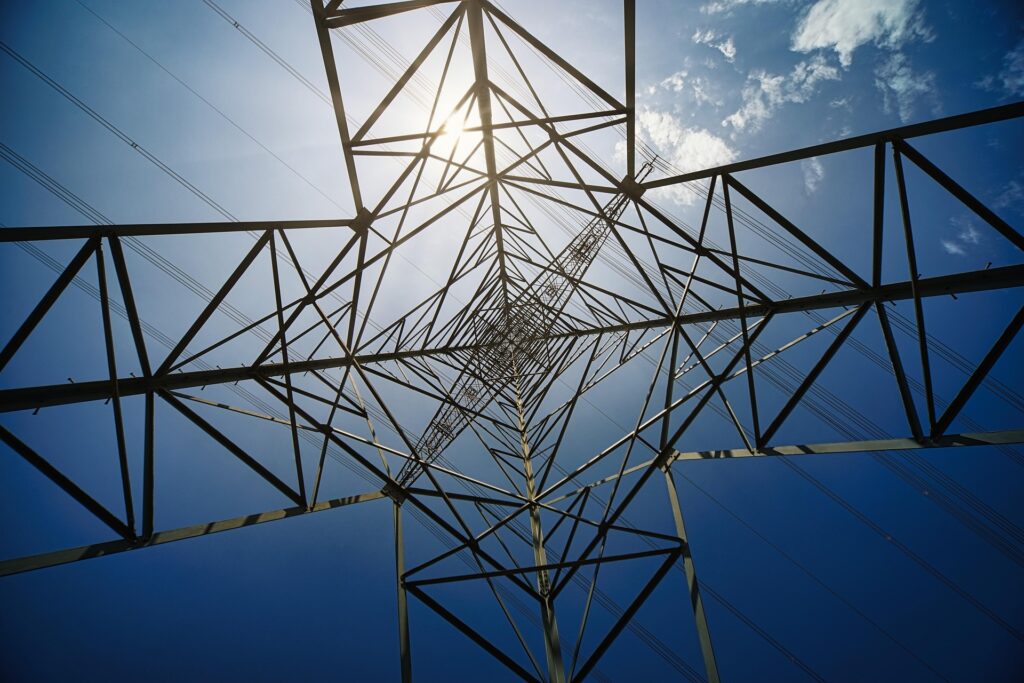
WE DO Steel Buildings
Steel buildings are modern structural systems that utilize structural steel as the primary load-bearing framework. The structure is typically composed of precision-fabricated components such as beams, columns, trusses, and bracing members, manufactured from structural steel sections and plates. Combined with roofing systems, wall cladding, and floor assemblies, these elements form durable, high-performance building structures.
Due to the 100% recyclability of steel, steel buildings represent a sustainable construction solution. Steel components can be reused or recycled at the end of a building’s lifecycle, significantly reducing construction waste and environmental impact. With advantages in structural performance, construction efficiency, and lifecycle cost, steel buildings are widely applied in industrial facilities, warehouses, commercial complexes, airports, and Steel Structure Infrastructure projects worldwide.
Today, steel buildings play a vital role in modern architectural and urban development, supporting both industrial and civil engineering applications on a global scale.
Advantages of Steel Buildings
High Structural Efficiency
Steel structures provide high strength-to-weight ratios and excellent load-bearing capacity, making them ideal for large-span and open-space building designs while maximizing usable interior space.
Rapid Construction
Structural components are prefabricated under controlled factory conditions and assembled on site, significantly reducing construction time and minimizing weather-related delays.
Design Flexibility
Steel offers excellent ductility and formability, allowing architects and engineers to realize complex geometries, long-span structures, and high-rise designs while maintaining both structural integrity and architectural aesthetics.
Sustainability and Environmental Benefits
Steel is fully recyclable and reusable, and prefabricated construction reduces material waste and on-site environmental impact, supporting green building and low-carbon development goals.
Excellent Environmental Adaptability
Steel structures exhibit high toughness and ductility, enabling them to effectively absorb and dissipate seismic and wind loads, making them particularly suitable for earthquake-prone or typhoon-affected regions.
Airport Terminal
An airport terminal is the main building at an airport where passengers begin or end their journey. It provides essential services such as ticketing, check-in, security screening, baggage handling, and boarding.

Bridge
A bridge is a structure built to span physical obstacles such as rivers, valleys, roads, or railways, allowing people and vehicles to cross safely and efficiently.